

Definitive PROOF that running is indeed GOOD for those with chronic Low Back Pain
Ever read about an overachiever and get the inevitable human folly of comparing oneself to them and feeling sorry for yourself?
Dr. Christopher Neason, a young Australian, is the athletic research example of this.
He just completed his PhD program and published not one, not two, not three but FOUR ground breaking original research studies (plus some additional bolt on studies) on the same topic to help educate the population and lower fear about what can now be considered a VERY useful intervention in the management of chronic low back pain.
RUNNING.
That’s right running.
If you asked me 5 years ago (heck, even 3 years ago) if high intensity running intervals were good for those with chronic low back pain I would suggest trying just brisk walking instead.
But Dr. Neason’s research has officially made me a believer in running.
Let’s briefly explore the 4 studies he published (including a pair of new ones).
Study 1:
This was a secondary analysis on a prior 6 month long study that looked at strength and conditioning and low back pain. Specifically he was looking at variables like training volume, intensity and frequency and how it affected those with low back pain. This key study showed that shorter session duration and higher perceived exertion was associated with reductions in pain intensity in those with chronic low back pain. From this, he thought to try this with running……specifically a run-walk interval programme as this allows for shorter duration spurts of higher intensity followed by rest periods.
Study 2:
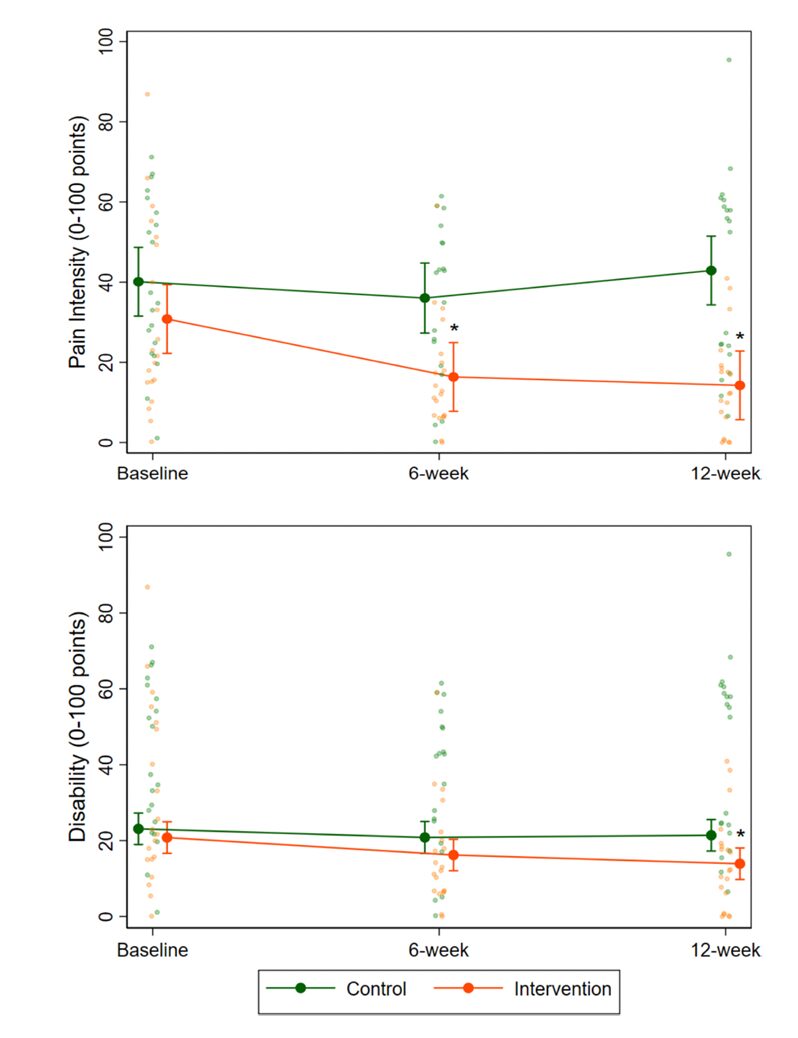
This was the real ground shaking study. It was called the ASTEROID study and was such a shock to our respective biases that we wrote a big blog article about it when it came out in 2024. Essentially this was a 12 week trial comparing a run/walk interval intervention against a control group for those with chronic low back pain using just 3 thirty minute sessions per week. This study showed that those in the run group had a statistically lower pain intensity and disability when compared to controls. This was THE FIRST solid piece of literature to definitively show that running at intensity can actually be GOOD for chronic low back pain.
Study 3:
This is the first of his more recent studies that looked at how patients with low back pain actually FEEL about running. In it, he studied the beliefs about the safety of running in adults with chronic low back pain both prior to his ASTEROID trial and then after. Folks completed a questionnaire specific to beliefs questions both before and after the running intervention. Overall 25% of participants in the trial reported that running was unsafe at baseline. After the running intervention there was a trend towards more positive beliefs about running in those with chronic low back pain however the number of people was not large enough to make it generalizable to the population et large.
Study 4:
His most recent study from January of this year showed definitively that adults with chronic low back pain had negative beliefs about running. To do this he compared a group of people with low back pain to a group without. This showed that adults with chronic low back pain have negative beliefs 69% of the time where they generally felt that running was unsafe. On top of that, 93% of those with chronic low back pain limited the amount of running they did due to these negative beliefs.
So one obstacle as a therapist (and the purpose of this blog) is to convince folks with chronic low back pain that running is both SAFE and EFFECTIVE. It will only be by changing these beliefs that people suffering with low back pain will be willing to try intense running as a potential intervention.
Call me a convert.
Running can not only be safe, but also efficacious in the treatment of low back pain. Counterintuitively, short but intense running can actually amplify these benefits!
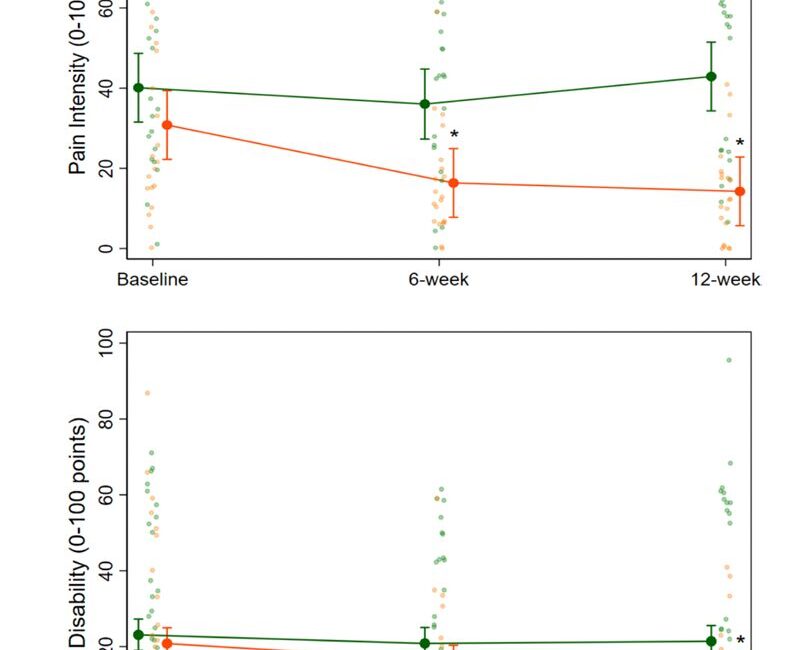
Here are two charts that nicely sum up his research finds on running with low back pain and why it is a GREAT, not good intervention.